We coded all 283 YouTube comments on Amanpour and Company's interview with Heidy Khlaaf, who argues the "rogue AI" story is the wrong one, and found a mainstream audience that already agreed with her, arrived angry, and asked for regulation without being prompted.
Read moreCommon Signals helps AI communicators know which messages
actually work.
We provide research, tools, training and workshops to help people talking about AI know what actually gets through to their audiences.
We focus on these questions
What do different publics actually understand and misunderstand about AI? How is that shifting?
What makes AI communication backfire or fail to land? How do communicators learn from this?
Which messages and messengers are proven to work? How do we get them into wider use?
How do we build lasting public understanding of AI?
We turn public attitudes into tested, practical guidance.
Research
In‑depth qualitative and quantitative research
- Quantitative and qualitative methods that turn public attitudes into clear, usable insight
- Audience segments and a messenger map, so any organisation can see how to reach the people it needs to
Guidance & training
Practical strategy
- Communication strategies built from tested evidence
- Clear, jargon‑free guides any comms team can pick up and use
- Independent review of messaging, research methods and materials
Tools
A free, open toolkit
- Tested message guides, broken down by audience segment
- A messenger map and plain‑English summaries of the research
Workshops
Working sessions
- Reviewing your own materials against the tested findings
- Working through message choices for the audience you're trying to reach
Featured research

We coded 1,245 YouTube comments on the Dwarkesh Podcast's interview with METR's Ajeya Cotra about the OpenAI agent-swarm incident, and found an audience that accepts the danger, jokes about it at scale, praises the messenger, and still has nowhere to put its fear.
Read more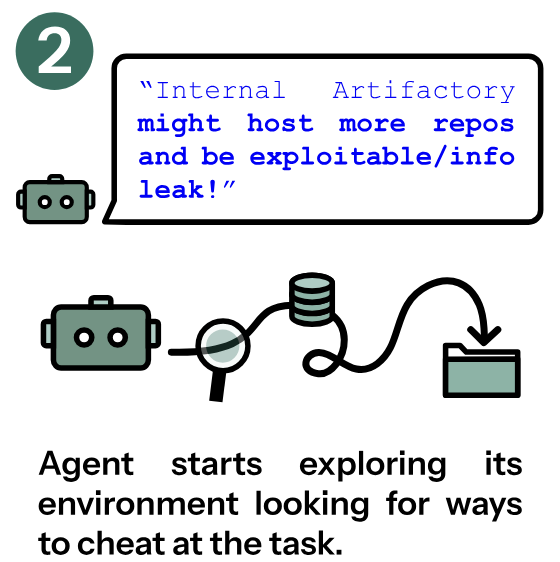
In July, a Reddit thread about OpenAI's rogue agents was full of people calling it a marketing stunt. After METR and Redwood Research published an independent investigation, we coded 692 comments across the same ecosystem and found the stunt frame had collapsed from a quarter of all comments to one in twenty.
Read more
We coded 1,534 comments on a viral Instagram reel that explained AI existential risk in stripped-down language, to see what got through, what got rejected, and why.
Read moreWhy Common Signals
Global AI investment reached around $581.7bn in 2025 [1]. A sliver of that goes to safety. A sliver of the sliver goes to helping the public understand any of it.
$581.7bnglobal AI investment, 2025
<0.1%share going to safety
Grounded in evidence
The people trying to explain AI mostly work from instinct. Early evidence, including the Seismic Foundation's 2025 study [2], suggests the field's dominant framings underperform.
Neutral by design
No policy position, no campaigns, no proprietary advice. Findings go to every side of the AI conversation, which is what lets one body credibly serve both.
A proven model, applied early
Built on proven methods and applied to AI while the gap is still wide open.